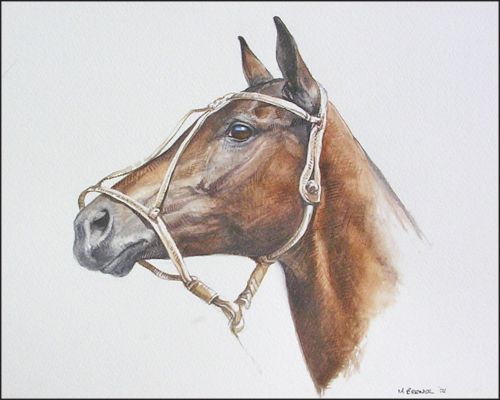
(1-26-26) La Dolfina’s Argentinian polo star Adolfo Cambiaso (50) …is widely regarded as one of the greatest polo players of all time. Born on April 15, 1975, in Cañuelas, Buenos Aires, Argentina, he comes from a polo family and began playing at age 14. He achieved his first 10-goal handicap (the highest possible rating in polo) early in his career and has maintained elite status over the years.
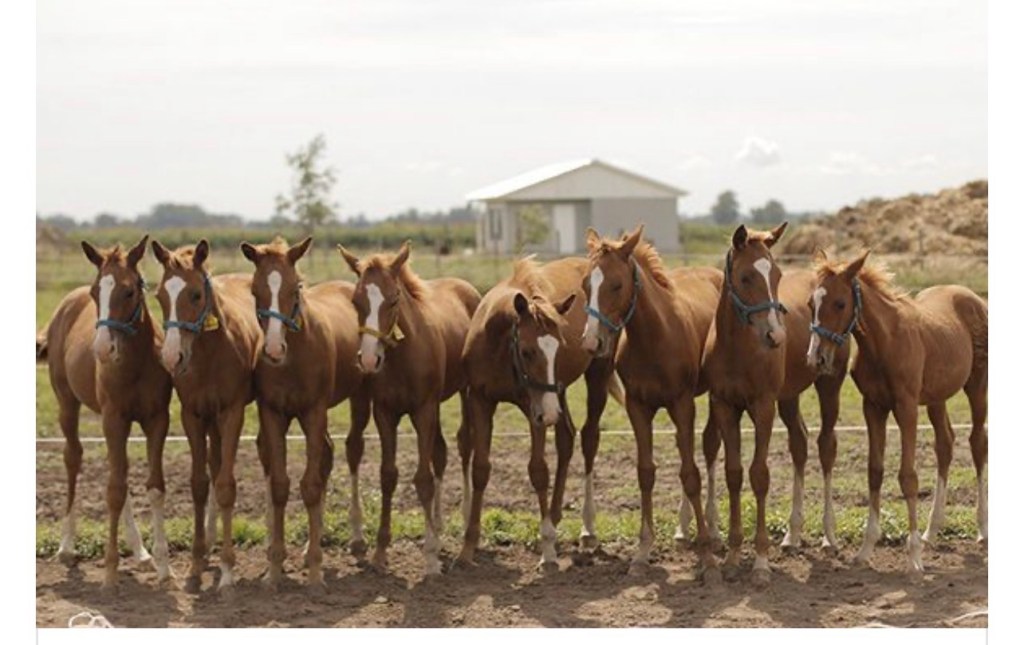
A lot of success is due to one of the most impressive horse cloning programs in the world.
Cambiaso’s most successful horse, Dolfina Cuartetera – ranked first in Argentina’s Polo Hall of Fame – who died in May 2023, at the age of 22. Several of her clones have gone on to compete at the highest level, featuring in the prestigious Argentine Triple Crown. Among Cambiaso and his son Adolfo “Poroto” Cambiaso’s top mounts are Cuartetera clones B06 and B09.
Polo is the most accepting equestrian sport when it comes to cloning; Argentina imposes very few regulations and no restrictions on the number of cloned ponies allowed in competition – leaving teams and breeders to set their own rules.
In 2006, after his stallion Aiken Cura suffered a fatal injury, he preserved a skin sample in a Buenos Aires laboratory. In 2010, using that harvested sample, he successfully produced Aiken Cura E01 with the help of Alan Meeker and his company Crestview Genetics.
That year, Meeker and Cambiaso included a three-month-old Cuartetera clone in a high-profile auction, who sold for $800,000 – the highest price ever paid for a polo horse.
Following a nine-day jury trial in May of 2024, Cambiaso’s legal team – Wheeler Trigg O’Donnell LLP (WTO) – demonstrated that Meeker had secretly sold Cuartetera clones to an unnamed Russian businessman for $800,000 each, with additional sales planned. Showing the value of these clones.
Cambiaso has been a pioneer in horse cloning for polo since 2006, particularly with his star mare Cuartetera (and others like Aiken Cura). He co-founded or is closely associated with cloning operations like Crestview Genetics (earlier) and Kheiron Biotech, which focus on replicating top-performing polo horses to preserve elite genetics.
• Overall, the total number of clones produced under his involvement (for his own use, breeding, and sales) has been described as exceeding or approaching high figures, with some accounts mentioning his stable/operations using over 150 cloned horses in recent years.
Specific Clones in Cambiaso’s Program
Adolfo Cambiaso’s cloning efforts, primarily through collaborations like Crestview Genetics and now Kheiron Biotech, have focused on replicating his top-performing polo ponies to maintain genetic excellence.
Here’s a breakdown of some key specific clones:
• Cuartetera Clones: Cuartetera, a legendary mare known for her speed, agility, and endurance, has been cloned extensively since around 2010. Cambiaso has produced at least 14 clones of her, with reports indicating more in recent years. Notable ones include B06 and B09, which are among his and his son Poroto’s top mounts. In a historic moment in early 2026, Cambiaso played an entire chukker using eight Cuartetera clones simultaneously, showcasing their identical performance and genetics in a high-stakes match. These clones have been instrumental in his victories, including multiple Argentine Opens. Clones of Cuartetera often sell for around $40,000 each, and they’ve been observed to exhibit similar traits to the original, though not identical behaviors due to environmental factors.
• Aiken Cura Clones: Aiken Cura, a prized stallion that suffered a fatal injury in 2006, was one of the first horses Cambiaso cloned. Cells were preserved preemptively, leading to the birth of Aiken Cura E01 around 2010. This clone has been used in breeding and play, preserving the original’s powerful build and polo prowess. Cambiaso’s cloning journey started here, marking a shift in the sport.
• Other Notable Clones: Cambiaso has cloned additional stars like Colibri, Small Person, and Dolfina Lapa. These were part of early partnerships, with tissues provided for replication. Overall, his stable includes hundreds of clones, with production rates around 100 per year through associated biotech firms. A 2025 court ruling ordered the return of several cloned polo ponies to Cambiaso amid a legal dispute, highlighting the high value and contention around these animals.
• Broader cloning in polo (driven by Cambiaso) has produced hundreds cumulatively, but the “in excess of 100 clones on the ground” likely refers to the cumulative total from his programs that are active/available (living clones in stables, play, or breeding).
This has revolutionized high-goal polo but also sparked controversy (e.g., debates over ethics, fairness, and the “spirit” of the game). He’s famously won major tournaments riding multiple clones of the same exceptional horse in a single match.
Kheiron Biotech is an Argentine biotechnology company specializing in advanced equine reproductive technologies.
Founded and led by experts in the field (with key figures including scientist Ernesto Vichera), the company has become a global leader in cloning elite horses to preserve and replicate exceptional genetics.
Key Highlights
• Cloning Operations: Kheiron has been producing clones since at least the early 2010s, starting with adult skin cells. Reports indicate the company (or Cambiaso’s associated efforts) clones around 100 horses per year, contributing significantly to the hundreds of clones now active in polo stables worldwide. This includes famous lines like clones of Cambiaso’s star mare Cuartetera.
• Pioneering Gene Editing: In late 2024, Kheiron achieved a world first by producing the first genetically edited horses using CRISPR-Cas9 technology. They created five foals cloned from champion polo mare Polo Pureza, with edits to reduce myostatin gene activity (which limits muscle growth) to potentially create faster, stronger, more enduring horses—essentially “super ponies” for polo.
• These foals were born around mid-2024 (now over a year old as of 2026).
• The company markets them as enhancing natural traits while preserving others.
• However, this sparked controversy: The Argentine Polo Association (APA) and some international bodies have banned their use in competitions (at least temporarily), opting for observation periods to assess long-term effects, ethics, and fairness. Some polo governing bodies worry it crosses from replication into “rewriting” the sport.
• Broader Impact: Kheiron offers services for breeders to improve performance through cloning and therapies. They’ve cloned notable horses (e.g., Champ Popu) and continue pushing boundaries in equine biotech.
Their official website is kheiron-biotech.com, where they describe creating solutions to “preserve and replicate the most valuable equine genetics” and now gene editing is the next frontier (though heavily debated).
Horse racing and cloning in the future?
Thoroughbred, Standardbred and Quarter Horse racing needs to consider some form of cloning in the future.
Some geldings being cloned could help produce and retain some bloodlines that have been lost in the past.
Some examples below of geldings that would make good cloning candidates—-
Thoroughbred-
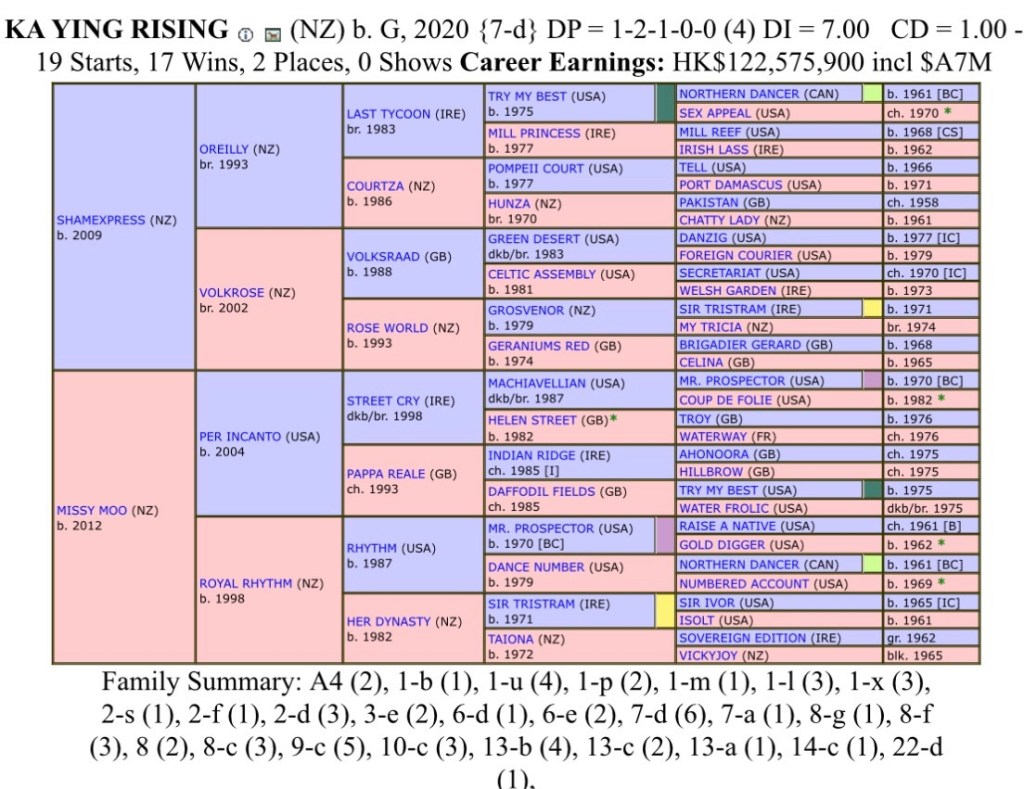
Ka Ying Rising recently raced into Hong Kong racing history with a record-equaling 17th win in a row to match the winning streak of Silent Witness from 2002 to 2005 in the HK$13-million Centenary Sprint Cup (G1)
Standardbred-
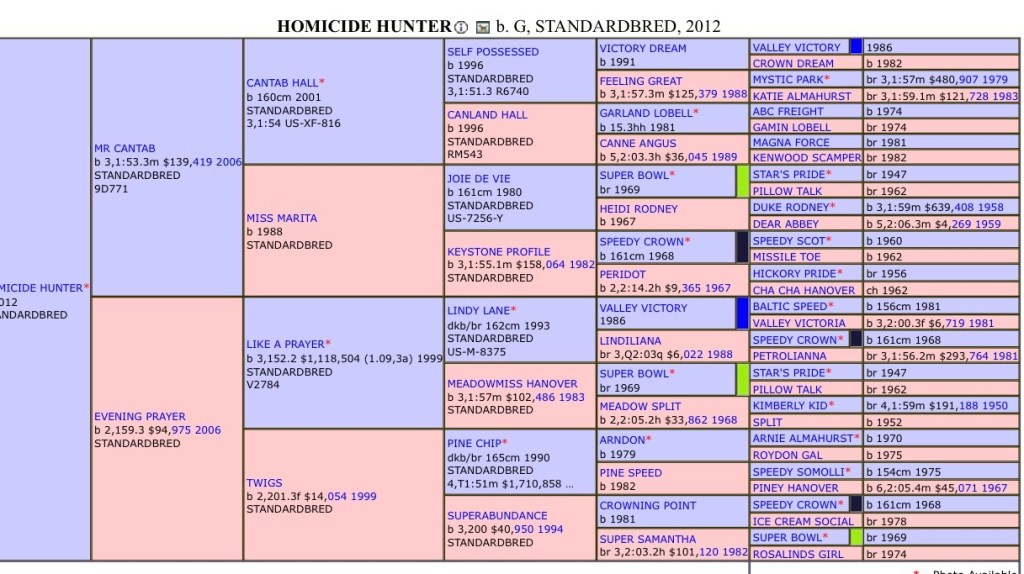
Homicide Hunter He won 41 races from 91 starts and made $1,761,577 in career earnings, with his most prestigious victory coming in the 2018 Breeders’ Crown Open Trot. In October 2018, Homicide Hunter set the world record for a trot mile in 1:48.4 when winning the $145,000 Allerage Farms Open Trot at The Red Mile in Lexington, Ky.
At 13 Homicide Hunter competed for the MMXX Standardbreds team in English pleasure, hunter under saddle, halter and showmanship classes. He was named the 2025 Standardbred Pleasure Horse Organization (SPHO) Horse of the Year.
Quarter Horse-
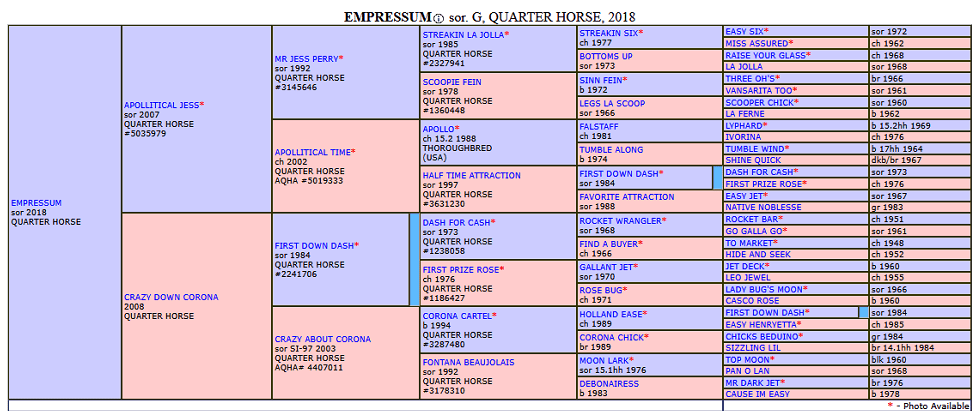
Empressum is an Oklahoma-bred Quarter Horse gelding (foaled 2018) by Apollitical Jess known for his stellar racing career and earning over $2.5 million. Named the 2022 AQHA World Champion and a multi-time champion aged gelding, he is a dominant competitor at Los Alamitos, winning the prestigious Champion of Champions in 2022 and 2024
By the way thoroughbreds have been a BIG part of polo over the years..
Horses to Remember…Museum of Polo and Hall Of Fame
| Sweet William | Sweet William, a brown thoroughbred gelding, earned worldwide acclaim… |
| Delta Dawn | Delta Dawn was a gray thoroughbred mare trained by Cecil Smith |
| Electric Charge | Electric Charge was a dark chestnut, thoroughbred mare and the winner of the Hartman Trophy in 1981. |
| Burrito | Burrito was a handsome, “blindingly fast” dark bay thoroughbred gelding bred at John T. Oxley’s Oxley Polo Stables |
| La Fortuna | A gray 15.1 hand Thoroughbred gelding, La Fortuna was one of Tommy Wayman’s favorite horses…. |
| Brown Fern | An American-bred, thoroughbred, gray gelding, Brown Fern was originally bred to race |
| Fuss Budget | A Kentucky-bred thoroughbred mare foaled in 1928, Fuss Budget won 12 races before starting her polo career… |
| Sue Ellen | From her birth in 1990, the dark bay Thoroughbred mare Sue Ellen was destined for greatness… |
| Sweet Be | Sweet Be (New Windsor x Our Boy’s Beauty) was a gray, thoroughbred mare, trained by the legendary horseman Cecil Smith and his son, Charles… |
| Beatrice | Sweet Be (New Windsor x Our Boy’s Beauty) was a gray, thoroughbred mare, trained by the legendary horseman Cecil Smith and his son, Charles… |
| Flash | Sweet Be (New Windsor x Our Boy’s Beauty) was a gray, thoroughbred mare, trained by the legendary horseman Cecil Smith and his son, Charles… |
RELATED:
- The Case For Cloning Geldings
- Cloning Options…The Future Of Horse Racing
- Cloned Horses That Have Had An Impact On Their Breed
- Cloning A Stallion For Breeding…Show Jumping Stallion
- Sold As A $750,000 Yearling…Up For Adoption
‘Charlie May’ Ties Track Record At The Canfield Fair…Brett Miller In The Sulky
‘Mine That Bird’ Kentucky Derby Winner…Under Appreciated Gelding
 Stateline Network EXTRA